
Image Credit: Unsplash
The speed and convenience of today’s online shopping rely on a complex logistics network, often hidden from view. As customers increasingly expect almost instant delivery, artificial intelligence (AI) and automation have become essential for making things efficient behind that “buy now” button. These technologies aren’t just futuristic ideas anymore; they’re actively changing every step of an order’s journey, from a digital shopping cart to a customer’s front door.
From warehouses that practically run themselves to algorithms that guess what you’ll buy next, AI is building a logistics system that’s more responsive, accurate, and cost-effective. For online retailers, adopting these changes is crucial to staying competitive and meeting what modern shoppers expect.
The Rise of Smart Warehouses
A smart warehouse acts like the brain of modern e-commerce logistics. It uses connected technologies to automate and smooth out operations. Instead of relying only on people, these facilities use autonomous mobile robots (AMRs) to move through aisles, pick up products, and bring them to human packers. This teamwork between people and machines drastically cuts down on walking time and reduces errors.
Internet of Things (IoT) sensors are another key part. They watch everything from temperature and humidity to where inventory is located, all in real time. This information goes into a central management system, giving a full picture of the warehouse. This level of AI warehouse automation doesn’t just make things more efficient; it also makes the workplace safer by taking over repetitive and physically demanding tasks.
AI for Predictive Inventory
Managing inventory is one of the biggest challenges in e-commerce. Ordering too much ties up money and storage space, while ordering too little means running out of stock and losing sales. AI-powered predictive analytics solves this by accurately forecasting future demand. These algorithms look at huge amounts of data, including past sales, seasonal trends, current market shifts, and even outside factors like upcoming holidays or weather. All of this is crucial for effective J&J fulfillment. By finding these complex patterns, AI helps businesses optimize stock levels. This ensures popular products are always available without creating a surplus of items that don’t sell quickly. This forward-thinking approach is vital for keeping cash flow healthy and customers happy.
Automating Order Processing
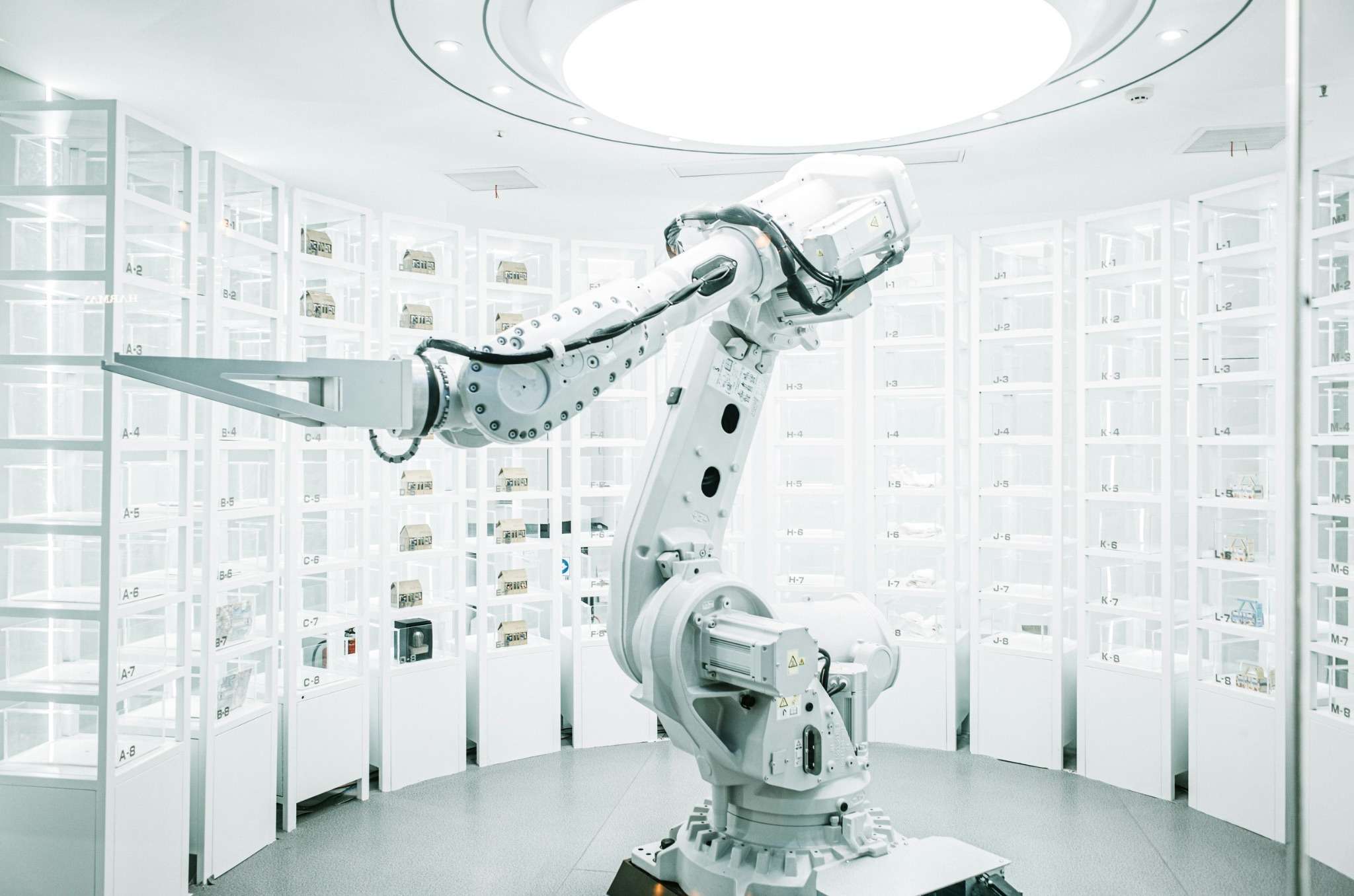
Once a customer places an order, speed is key. Automation takes over the moment the order comes in, sending it to the most efficient fulfillment center. Inside the warehouse, automated systems guide the picking, packing, and shipping process. Robotic arms can sort packages by destination, and automated conveyors move items smoothly from one station to the next. This reduces manual handling and significantly cuts down on processing time.
For businesses with a lot of sales, partnering with a specialized provider is often the smartest move.
Real-time Tracking and Visibility
Today’s customers want to know where their package is at all times. AI and automation provide this transparency by offering full visibility throughout the shipping process. From the moment a package leaves the warehouse, RFID tags and GPS sensors constantly send location data. This information goes into AI-powered platforms that can predict delivery times more accurately, automatically tell customers about possible delays, and give instant updates. This kind of tracking isn’t just for the customer; it also gives businesses valuable insights into their supply chain. This helps them spot bottlenecks and optimize delivery routes for better efficiency. The integration of these technologies is reshaping modern supply chain operations from top to bottom.
The Future of Last-Mile Delivery
The final step of delivery, often called the “last mile,” is usually the most expensive and complicated part of the whole journey. Here too, AI and automation are set to make a big difference. Companies are actively testing autonomous delivery vehicles and drones to bring packages directly to customers’ homes. While still new, these technologies promise to lower delivery costs and shorten wait times even more. In cities, we might see sidewalk delivery robots navigating neighborhoods, while drones could serve rural or hard-to-reach places. As regulations catch up and the technology improves, automated last-mile solutions will become a more common sight.
As AI and automation keep advancing, the line between the digital and physical worlds of commerce will blur even further. These technologies aren’t just making logistics faster; they’re making the entire system smarter, more predictable, and ultimately more responsive to what businesses and their customers need.