
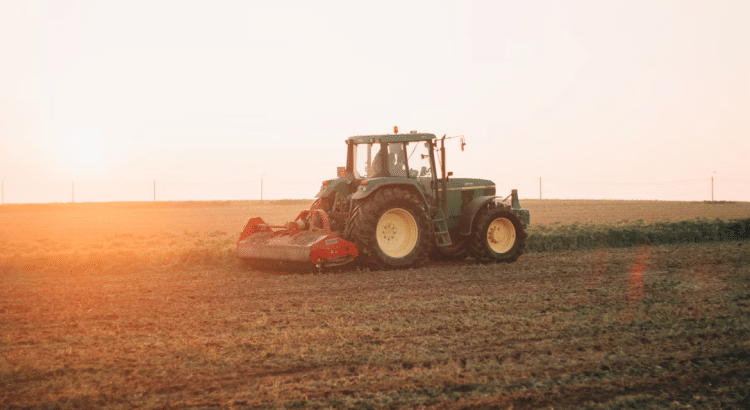
Agricultural machines are becoming mobile computing platforms, yet their performance still depends on steel, seals, bearings and carefully managed power. Robotics adds perception and automated control to equipment that must pull heavy loads across unpredictable ground. Bringing those disciplines together creates machines that can work more precisely, detect trouble earlier and reduce the time operators spend on repetitive field tasks.
The Rise of Autonomous Field Robots
Autonomous field robots combine cameras, satellite positioning, radar and software to understand their surroundings. The wider field of intelligent machine engineering shows how sensing and decision-making are moving from controlled laboratories into practical equipment. Another emerging development involves biohybrid agricultural robots, which use electrical signals from living fungi to control robotic movements and respond to environmental changes.
On a farm, a compact robot might travel between crop rows, identify weeds and treat individual plants. Larger machines can follow planned routes while monitoring wheel slip, fuel use and implementation depth. Human supervision remains necessary, especially around workers, animals and changing field conditions.
Operators considering these systems should examine task accuracy, remote-stop controls and support availability. A machine’s ability to resume work after losing a positioning signal may matter more than an impressive demonstration conducted under perfect conditions.
Extreme Operating Environments Test Hardware
Field equipment faces vibration, moisture, dust and sharp temperature swings. These conditions expose weak connectors, poorly protected sensors and undersized cooling systems quickly. A controller that performs flawlessly on a test bench may fail after hours beside a hot engine or on a frame that shakes continuously over rough soil.
Testing should reproduce full working cycles, including startup, heavy loading and shutdown. Engineers also need to inspect traditional wear points while evaluating new electronics. Access to suitable tractor parts can support repairs involving drivelines, engines, electrical systems, hydraulic components and transmissions during maintenance or prototype testing.
Keep a fault log that records operating hours, weather, load and error codes. That context helps technicians separate a software fault from voltage loss, overheating or mechanical resistance elsewhere in the machine.
Why Core Tractor Parts Still Dictate Performance
Software can select a route or adjust engine output, but physical components must carry out every command. A delayed hydraulic valve changes implement position too slowly. Worn transmission parts can waste power before it reaches the wheels. Even a slightly inaccurate sensor mount may produce misleading data after prolonged vibration.
This connection makes condition monitoring valuable. Temperature probes can reveal bearing friction while pressure sensors may expose hydraulic leakage before output drops noticeably. Maintenance teams should establish normal readings for each machine and investigate trends instead of waiting for a fixed alarm threshold.
Mechanical inspections remain equally useful. Check hoses for rubbing, connectors for contamination and mounting points for movement. Sensor data works best when technicians compare it with oil condition, visible wear and the operator’s account of how the machine behaved under load.
Designing Future-Proof Agricultural Machines
Future-proof design starts with replaceable modules and clear interfaces. Sensors, processors and communication equipment develop faster than engines, frames and hydraulic systems, so engineers should make electronic components accessible without forcing owners to replace an entire machine.
Research into the robotics development roadmap also highlights persistent challenges involving energy use, safe interaction and reliable operation. Agricultural designers face similar constraints, though their machines must handle mud, plant material and long periods far from workshop support.
Open diagnostic access, documented electrical connections and modular control units can extend useful service life. Designers should also provide a safe manual mode so work can continue when an automated function is unavailable. The strongest agricultural robot will be the one that remains repairable after years of vibration and seasonal use, with its mechanical foundation still responding accurately to every digital command.