
Image Credit: Pexels
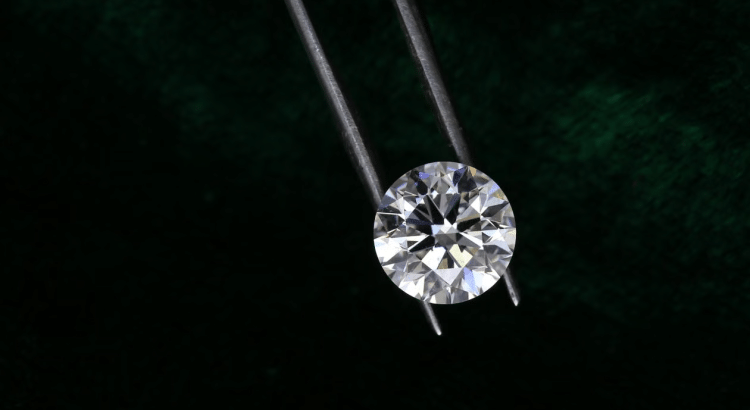
Diamond identification has become a spectroscopy problem because natural and laboratory-grown stones can share the same chemical composition and nearly identical physical properties. A polished stone may look flawless under magnification yet reveal a very different growth history under specialized light. For jewelers, retailers, and repair professionals, that shift changes verification from a quick conductivity check into a layered process that examines optical behavior, crystal defects, and trace elements.
The Lab-Grown Synthesis Shift
Laboratory-grown diamonds are produced mainly through high-pressure, high-temperature synthesis or chemical vapor deposition. The HPHT and CVD processes create real diamond crystal structures, so standard hardness, appearance, and thermal properties may closely match those of natural stones.
Production has also grown more efficient, while cost and consumer demand continue to influence inventory throughout the jewelry market. A retailer may now receive natural, treated, and laboratory-grown stones from several suppliers in the same week. Reliable screening must detect growth-related features that ordinary inspection can miss, especially when stones are mounted or very small.
Limitations of Traditional Thermal Probes
A thermal probe measures how quickly heat moves through a material. That remains useful for separating diamond from many look-alike materials, but both natural and laboratory-grown diamonds conduct heat well. A positive result therefore confirms a likely diamond without establishing its origin.
Electrical conductivity tests can add another clue, particularly when screening certain diamond types, though they still don’t provide a complete answer. If you’re a professional building a layered testing setup, you can review gem testing equipment from CR Time, which supplies specialized tools for jewelers, watchmakers, and hobbyists.
Use thermal testing as the first filter. Clean the stone, test more than one exposed surface, and follow inconclusive results with optical screening or laboratory analysis.
Photoluminescence and Optical Scanners
Photoluminescence testing exposes a stone to a controlled light source, often ultraviolet light, then measures the wavelengths it emits. Crystal defects and trace impurities can produce characteristic emission peaks. Some of these features are associated with particular growth methods or post-growth treatments.
Optical scanners take a faster screening approach. They may examine fluorescence, phosphorescence, absorption, or transparency patterns across one stone or an entire parcel. Results commonly appear as pass, refer, or a similar category. A refer result doesn’t prove laboratory growth. It signals that the stone needs a more precise test.
For consistent results, keep stones clean, place them correctly, and verify that settings match the stone’s size, color, and mounting condition.
What Benchtop Verification Means for Retail
Benchtop verification helps retailers screen inventory before pricing, repair intake, or customer delivery. A store receiving a parcel of 50 small stones can scan the full group, separate flagged items, and send only those pieces for advanced analysis. That workflow controls laboratory costs while reducing the risk of incorrect disclosure.
Create a written process that records the tester used, operator, date, and result. Staff should also understand the difference between screening and identification. A benchtop device may classify a stone with high confidence, but unusual colors, treatments, mounted settings, and borderline readings can still require examination by a qualified gemological laboratory.
The strongest retail procedure assigns each tool a defined job. Thermal probes handle initial separation, optical instruments look for growth signatures, and spectroscopy resolves cases where visual similarity hides a different origin. When a scanner returns an uncertain result, pause the transaction and preserve the test record until a specialist provides a definitive identification.