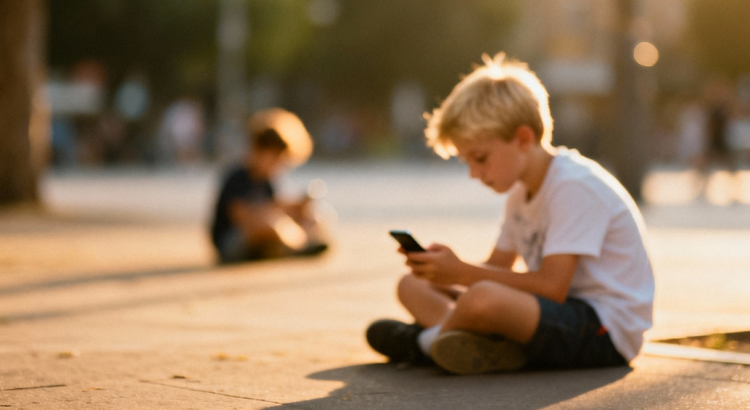
Denmark has announced plans to prohibit social media use for anyone under the age of 15. This new regulation marks one of the strictest social media access laws in Europe and aims to protect children from the often detrimental effects of extended online use.
The Danish government, led by the Ministry of Digitalisation, reached broad political consensus on this issue, reflecting a shared concern among parties about how social media impacts children’s sleep, focus, and emotional health. Prime Minister Mette Frederiksen highlighted these risks in her recent parliamentary address, emphasizing the need for society-wide intervention where parents and educators alone cannot suffice.
Under the new rules, social media platforms will block access to users younger than 15. However, there is a provision allowing parents to grant permission for children as young as 13 to use these platforms, following a specific evaluation. The government hopes this balance respects family autonomy while tightening safety measures in digital spaces. This parental exemption has faced some criticism from left-wing parties who worry it may dilute the policy’s protective intent.
Denmark’s move comes amid a broader European effort to regulate youth access to digital platforms more rigorously. It aligns with guidelines under the European Union’s Digital Services Act, which encourages age verification technologies and greater platform accountability. Notably, the Danish Minister for Digitalisation, Caroline Stage, noted that about 94% of Danish children under 13 already have a social media presence, with many even younger than 10 active online—a trend authorities find deeply concerning.
The government has not yet specified which platforms will be affected, but the most popular ones among Danish youth, including TikTok, Snapchat, Instagram, and YouTube, are expected to fall under this regulation. Parents and policymakers alike see this initiative as a necessary measure to curb exposure to harmful content, addictive algorithms, and relentless commercial pressures.
This legislation follows similar efforts globally, such as Australia’s law banning social media use for children under 16, which imposes significant penalties on platforms failing to enforce age restrictions. Denmark’s commitment highlights an urgent, growing recognition that the digital environment requires responsible oversight to protect the youngest users from psychological harm and social disruption.
As Denmark pioneers this protective framework within the EU, the government is also exploring additional measures, including potentially banning phones in schools, signaling a holistic approach to tackling the influence of digital technology on youth.
This decisive action may spark further debate across Europe about the responsibility of tech companies and governments to safeguard children in an era where digital interaction is nearly ubiquitous from a very young age.