Image Credit: Unsplash
Vehicle personalization is moving beyond cosmetic add-ons as connected technology, advanced manufacturing and smarter materials give drivers more control over how a vehicle looks and performs. Market forecasts point to strong growth, with the vehicle personalization market projected to expand at a compound annual rate of 13.3%. For drivers, that growth means more choices, better-fit components and new ways to create a truck or SUV that suits daily routines.
Beyond Standard Upgrades
Traditional modifications such as wheels, tires and exterior accessories remain popular, but modern custom builds increasingly solve practical problems. A driver who regularly carries camping equipment might add a secure bed cover and easier cabin access. Someone traveling on rough roads may prioritize suitable tires, adjusted ride height and underbody protection.
Start by identifying how the vehicle is used each week, then separate necessary changes from purely visual ones. Shops such as Central Alps Off-Road Shop can help truck and SUV owners consider lift kits, levels, wheels, steps, boards, bumpers and bed covers as parts of a coordinated build. This avoids mismatched components and keeps the finished vehicle functional.
Digital Integration in Custom Builds
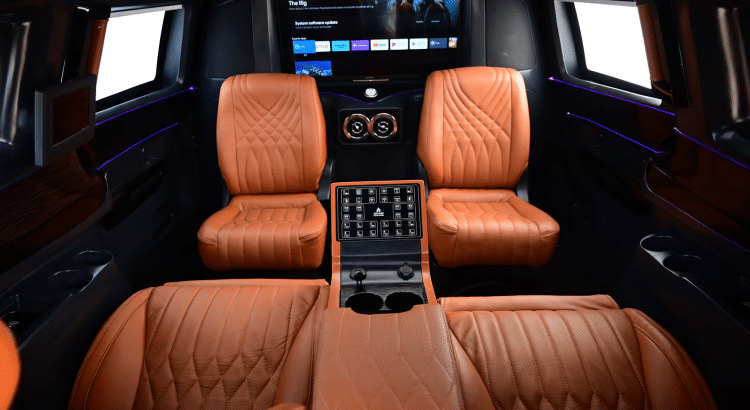
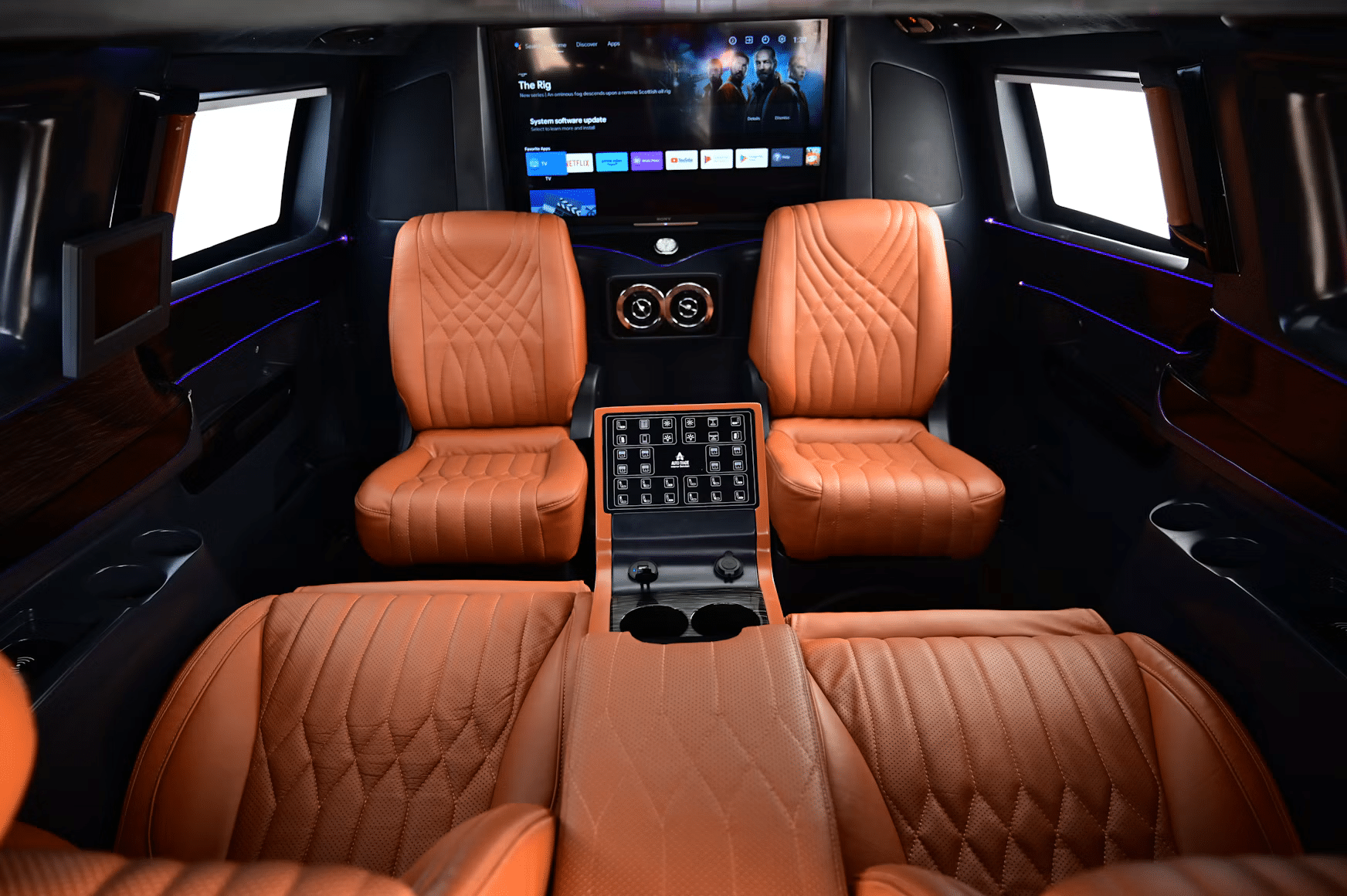
Software now influences customization as much as physical hardware. Configurable displays can place navigation, efficiency data and trail information where the driver can read them quickly. Smartphone integration, app-controlled lighting and parking cameras also add useful functions without making the cabin feel crowded.
The broader direction of automobile customization trends suggests that personalized interfaces and connected features will become more common. Before adding electronics, check compatibility with the vehicle’s operating system and existing sensors. Ask how updates are installed, what happens if an app is discontinued and whether the feature can still perform its core function without a mobile connection.
Choosing the Right Accessories
Build a priority list before ordering parts. Safety, fit and daily usefulness should come first, followed by appearance. Larger wheels may create a stronger stance, for example, but their added weight and reduced tire sidewall can affect comfort, efficiency and replacement costs. Steps can improve access for passengers, while a bed cover can protect everyday cargo from weather.
Check load ratings, dimensions and installation requirements for every item. Confirm that added parts won’t block cameras, parking sensors or service points. It also helps to price installation and future maintenance at the start. A less expensive accessory can cost more over time if it needs frequent adjustment or requires difficult-to-find replacement pieces.
Smart Materials and Finishes
Future vehicle personalization will rely on materials that combine low weight with precise construction. Additive manufacturing can create complex shapes while reducing waste, making it useful for trim pieces, brackets and limited-production components. The 2029 electric motorcycle concept shows how 3D-printed titanium can support striking design and specialized engineering.
Finishes are becoming more functional too. Ceramic coatings can simplify cleaning, while protective films help shield high-contact areas from chips and scratches. When comparing options, ask about expected service life, repair methods and care instructions. A finish that looks impressive on installation day should also tolerate heat, road grime and repeated washing.
Crafting a Unique Driving Experience
A convincing custom build feels consistent from the driver’s seat to the exterior. Color, texture and lighting should support the vehicle’s purpose instead of competing for attention. Subtle cabin accents may suit a daily commuter, while durable floor liners, organized storage and all-weather surfaces make sense for frequent outdoor trips.
Plan the project in stages so each change can be evaluated before the next one begins. Start with fit, comfort and access, then address capability and visual details. Keep records of part numbers, warranties and installation dates for future servicing or resale. The strongest personalization choices are often the ones you notice during every drive: a clearer display, easier entry and storage that keeps essential gear exactly where you expect it.