
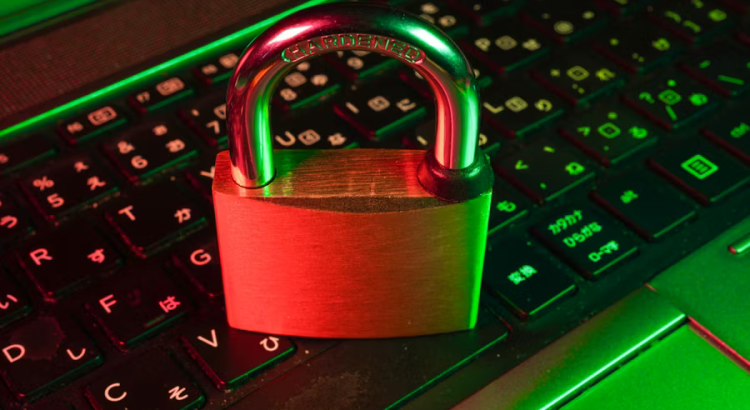
In 2026, you are likely to have a small gadget sitting on your desk, plugged into your laptop, or in your pocket that acts as the “gatekeeper” for your digital wealth. That’s because a growing number of individuals are quietly turning to physical encryption devices to safeguard their digital assets. They don’t look like much, but they’ve solved problems that software often can’t solve.
Via Unsplash
The Problem With Passwords Alone
Most people think that storing login credentials in a browser or password manager will protect their online accounts. However, there is a problem: when the computer itself is compromised by malware, the malware doesn’t need to guess a password; it can simply read the stored credentials or capture the entire login session.
Hardware encryption keys (such as those in a small USB or NFC key) solve this issue by removing the need for authentication on the compromised computer. These keys contain a private cryptographic key that remains locked inside. Each time you log onto a service, you physically touch the key or insert it into a port. Without the physical key, you cannot gain access.
In fact, some financial platforms already require users to use hardware authentication for secure API access. For example, developers who build trading dashboards, analytics tools, or financial applications that use white label API integration to connect systems often need to use hardware authentication to prevent unauthorized access. This includes providing an additional layer of authentication that would be required regardless of whether the API credentials were exposed; the request still requires a verified hardware signature. As a result, a physical object is now part of the login process.
Off The Internet = Safe
An additional oversight occurs when people store cryptocurrency keys on devices connected to the Internet. Although a laptop with a browser-based wallet may seem convenient, it often increases the potential for exposure to attackers.
Hardware wallets remove the private key from the Internet entirely, thus protecting against attacks that attempt to compromise the computer used to manage the wallet. A typical hardware wallet is roughly the same size as a small calculator. It connects to a computer via a USB cable or Bluetooth; however, all transaction signing takes place internally within the device. When you initiate a fund transfer, the wallet screen displays the recipient’s address and the amount of currency being transferred. You confirm the transfer with a single button press.
Because transactions are signed internally on the device, if the computer running the wallet software becomes compromised by malware, the private key will remain safe and unchanged.
As such, this design clearly separates the internet-accessible world from the secure-key world. As a result, many long-term investors keep their hardware wallets in a drawer, safe, or even in a deposit box.
Two-Screen Verification
A subtle problem with financial security is trusting the user interface of the computer. Many people assume that the information displayed on their computer screen is correct.
Malware, however, can modify transaction details before the user submits them to the network. A payment intended for one address could be silently diverted to another.
Hardware encryption devices are increasingly addressing this problem by adding a second screen to the user experience. Hardware wallets, security tokens, and encrypted payment devices now typically include a small screen that displays transaction details directly from the secure processor.
In environments that involve continuous financial automation, this relatively minor step can make a significant difference. It eliminates the possibility of silent manipulation of high-value transactions.
Securing Automation Systems & APIs
Today, financial systems are highly dependent on automation. Trading Bots, Analytics Dashboards, Monitoring Tools, etc., communicate with each other through APIs and exchange data constantly.
The ability to easily configure and deploy automated tools through APIs provides a conduit for malicious actors to steal and reuse credentials. Hardware encryption devices provide a method to lock down interactions with APIs.
In most cases, a service that attempts to access a financial API must authenticate its requests using a private key stored in a secure module. The module may reside on a workstation, a server rack, or a secure gateway device.
Recovery Of Access Without Losing Everything
Recovery options for security products too often fail due to their design. Many people know stories of having either lost password(s) or forgotten backup phrase(s).
Increasingly, encryption tools are addressing this issue as they develop and implement structured recovery processes.
One such recovery option is to divide a recovery key into multiple fragments. A possible example of this could include storing one fragment at a home safe, another in a bank’s safety deposit box, and having a trusted individual hold a third fragment. When all the fragments are put together, they form the original key.
Many hardware wallets now help users complete the recovery process during setup. Once the user has completed the setup process, the hardware wallet will generate several recovery cards and inform the user to store them separately.
This creates a balance between security and recoverability. If a person loses a card, they do not lose access to the entire asset; however, if an attacker were able to obtain most of the fragments (or cards), the attacker would likely be able to reconstruct the original key.
A Transition To Physical Security
Digital asset security is no longer primarily based on passwords and/or software-based controls. Passwords and software-based controls are still in use, but there is a growing trend toward a variety of physical security products to protect digital assets.
USB authentication keys sit next to keyboards, hardware wallets are stored in drawers, and secure modules are silently signing automated requests behind the scenes.
However, the use of physical security devices provides a critical new level of protection to the user’s digital assets. In addition to possessing the necessary information to access their digital assets, a user must also physically possess the device(s) that contain that information.
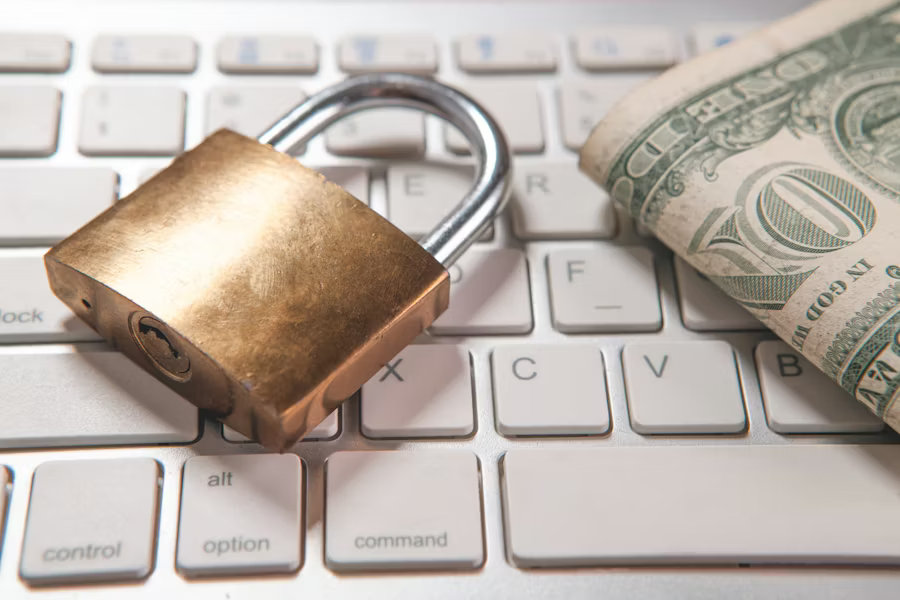
Via Unsplash
For many individuals in 2026, knowing their digital assets are protected by a physical barrier to access gives them significant confidence.