
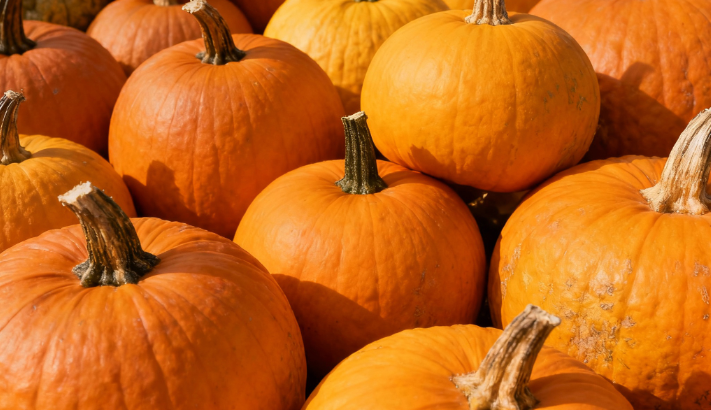
Pumpkins, zucchini, and other gourds have a hidden talent: they pull stubborn soil pollutants like heavy metals and dioxins straight into their fruits. Now, scientists at Kobe University have pinpointed why — and it comes down to one tiny protein tweak.
For years, farmers and food-safety experts have scratched their heads over a curious fact: pumpkins, zucchini, and other members of the Cucurbitaceae family soak up soil contaminants—dieldrin, dioxins, heavy metals—like no other crops. The toxins don’t stay politely in the roots; they hitch a ride to the very fruits we roast, purée, or carve. A new study from Kobe University, published in Plant Physiology and Biochemistry, finally explains the mechanism. Lead researcher Hideyuki Inui and his team traced the behavior to a single amino acid variation in a transporter protein known as major latex-like protein (MLP).
In high-accumulating varieties, this tiny swap adds a molecular “export tag.” The tag tells the plant to secrete MLP into the xylem sap—the highway that moves water and dissolved substances upward. Once in the sap, MLP binds hydrophobic pollutants and shuttles them to shoots and fruits. In low-accumulating cousins, the tag is missing; MLP stays inside root cells, locking toxins underground.
To confirm the finding, the researchers engineered tobacco plants (a standard model for plant genetics) with the high-accumulation MLP version. The modified plants promptly began pumping contaminants skyward, mirroring gourd behavior.
The discovery carries immediate promise. Selective breeding or CRISPR edits could remove the export tag, yielding safer commercial strains—especially valuable in regions with legacy industrial pollution. “We want every community to enjoy fresh produce without hidden risks,” said co-author Minami Yoshida.
On the flip side, adding the tag to non-edible parts of hyper-accumulator plants could create living vacuum cleaners for contaminated land. “Phytoremediation just got a precise on-off switch,” Dr. Inui noted.
While regulatory and field-testing hurdles remain, the work offers a blueprint for both cleaner dinner plates and greener soil restoration. As autumn markets overflow with orange gourds, science has given us a new reason to celebrate the pumpkin—not just for pie, but for its potential to help heal the earth.