
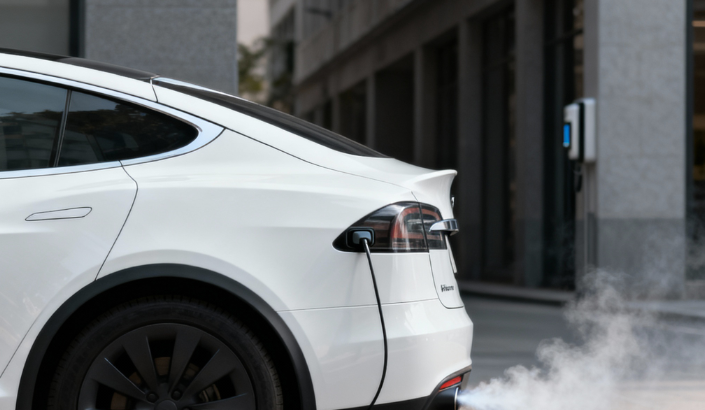
For drivers enticed by the sleek appeal of plug-in hybrids — those versatile vehicles that promise the best of both electric efficiency and gasoline reliability — a sobering new report offers a reality check. In everyday driving, these cars spew nearly as much planet-warming carbon dioxide as traditional gasoline models, undercutting the eco-friendly image that has fueled their popularity in recent years.
The analysis, released Thursday by the nonprofit Transport & Environment, draws on real-world data from hundreds of thousands of vehicles across Europe to expose a stark disconnect between lab-tested ideals and on-road performance. Far from slashing emissions by the three-quarters that regulators anticipate, plug-ins deliver just a modest 19 percent reduction compared to their fully gas-powered counterparts. For families, commuters and fleet operators alike — anyone navigating the shift toward sustainable transport — this gap means higher pollution, steeper fuel bills and a slower path to curbing climate change.
“These findings expose a gap between hype and reality,” said Sofía Navas Gohlke, a lead researcher on the study. “For communities seeking affordable, sustainable transport, this discrepancy hits hard — both environmentally and financially.”
PHEVs combine a battery-powered electric motor with a gasoline engine, offering electric-only driving for short trips and fuel-powered range for longer journeys. Their versatility has driven sales, particularly in Europe, where incentives target diverse drivers, from urban renters to rural commuters. Yet the report, “Smoke Screen: The Growing PHEV Emissions Scandal,” highlights a critical flaw: overly optimistic lab assumptions. Tests presume 84 percent of miles are electric, but real-world data shows just 27 percent, with gas engines often running even during “electric” modes for nearly a third of those miles.
This mismatch carries steep costs. Drivers face annual fuel bills about €500 ($540) higher than expected, disproportionately affecting lower-income households with limited access to charging stations. Meanwhile, automakers have sidestepped over €5 billion ($5.4 billion) in European Union fines from 2021 to 2023, leveraging inflated green credentials to meet fleet emission targets.
“The disconnect between lab results and real roads is stark,” said Patrick Plötz, an energy economist at Germany’s Fraunhofer Institute. “It’s not just a technical issue — it risks slowing our collective push for equitable, low-carbon transport.”
As the EU approaches its 2035 ban on new combustion-engine vehicles, PHEVs face scrutiny as a potential loophole. Industry leaders, including those in Germany, advocate for their continued use, citing long-haul reliability. But critics like Colin Walker of the U.K.’s Energy and Climate Intelligence Unit call it greenwashing. “Manufacturers sell PHEVs as a win for the planet, but the data tells a different story,” he said. “Transparency is crucial for all drivers, especially those in underserved areas.”
In the U.S., where the Inflation Reduction Act fuels PHEV adoption, similar testing gaps spark concern. As California and federal regulators refine zero-emission rules, the report urges aligning tests with real-world behavior to ensure fair access to clean mobility.
The European Commission plans to adjust its testing formula, but Transport & Environment calls for bolder reforms, including stricter oversight of manufacturer data. For now, the report underscores a broader truth: true progress in electrification demands honesty, ensuring vehicles serve both people and the planet equitably.