
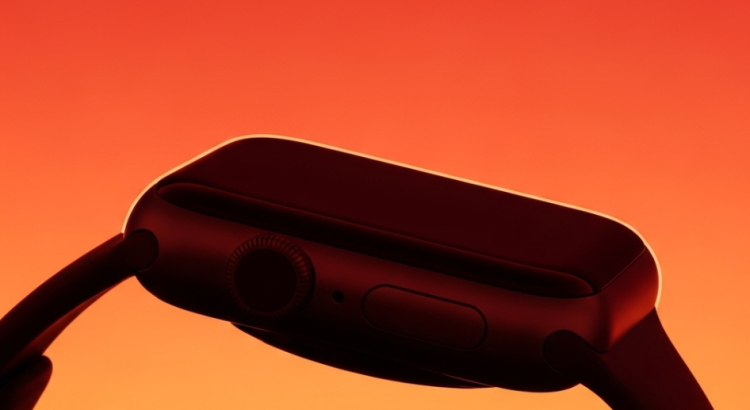
Apple has secured approval from the Food and Drug Administration (FDA) for a new feature that enables the Apple Watch to detect potential signs of hypertension, or high blood pressure, a condition affecting millions worldwide. Set to debut with the watchOS 26 update on September 15, 2025, this feature positions the Apple Watch as a powerful tool for proactive health monitoring, offering users timely alerts about a silent but serious health risk.
The new hypertension notification system leverages the Apple Watch’s existing optical heart sensor, a component already used for heart rate monitoring and other health metrics. By analyzing subtle changes in blood vessel responses to heartbeats over a 30-day period, the device can identify patterns suggestive of elevated blood pressure. When such patterns are detected, users receive a notification encouraging them to consult a healthcare provider for further evaluation. This approach is designed to be inclusive, providing accessible health insights to a broad audience without requiring specialized medical knowledge.
Apple’s latest health innovation will be available on the Apple Watch Series 9 and later models, as well as the Ultra 2 and subsequent versions. The feature will roll out across more than 150 countries and regions, aligning with the launch of new Apple Watch models, including the SE3, Series 11, and Ultra 3. This global reach underscores Apple’s commitment to making health technology available to diverse populations, from urban centers to remote communities.
The FDA’s clearance of this feature marks a milestone in consumer health technology, as it is one of the first wearable devices to offer such a capability without the need for additional hardware. Unlike traditional blood pressure monitors, which require a cuff and manual measurement, the Apple Watch’s system operates passively, collecting data during regular wear. This seamless integration into daily life makes it easier for people to stay informed about their health, particularly for those who may not routinely check their blood pressure.
Health experts have praised the development for its potential to address a widespread issue. Hypertension, often called the “silent killer,” affects approximately one in three adults globally, according to the World Health Organization, and can lead to serious complications like heart disease and stroke if left unmanaged. By empowering users with early alerts, Apple aims to encourage proactive steps, such as lifestyle changes or medical consultations, that could prevent severe outcomes.
However, the feature is not a diagnostic tool. Apple emphasizes that it is designed to flag potential risks rather than provide a definitive diagnosis. Users receiving alerts are advised to follow up with healthcare professionals for accurate blood pressure measurements and personalized guidance. This approach reflects a broader trend in consumer health tech, where devices serve as gateways to professional care rather than replacements for it.
The introduction of the hypertension feature coincides with Apple’s ongoing efforts to expand the health capabilities of its wearable devices. The Apple Watch already offers features like heart rate variability tracking, atrial fibrillation detection, and fall detection, which have been credited with saving lives in some cases. The addition of hypertension alerts further solidifies the device’s role as a health companion, particularly for aging populations or those with risk factors for cardiovascular issues.
As wearable technology continues to evolve, Apple’s latest step raises questions about the future of health monitoring. Could smartwatches one day detect other chronic conditions, such as diabetes or sleep disorders, with similar ease? For now, the company is focused on making its existing tools as impactful as possible. By integrating advanced health features into a device already worn by millions, Apple is helping to democratize access to health insights, fostering a culture of prevention and awareness.
The rollout of the hypertension notification feature is expected to resonate with a wide audience, from tech enthusiasts to individuals managing chronic health conditions. As the watchOS 26 update becomes available next week, users worldwide will have a new reason to keep their Apple Watch on their wrist—and their health in focus.