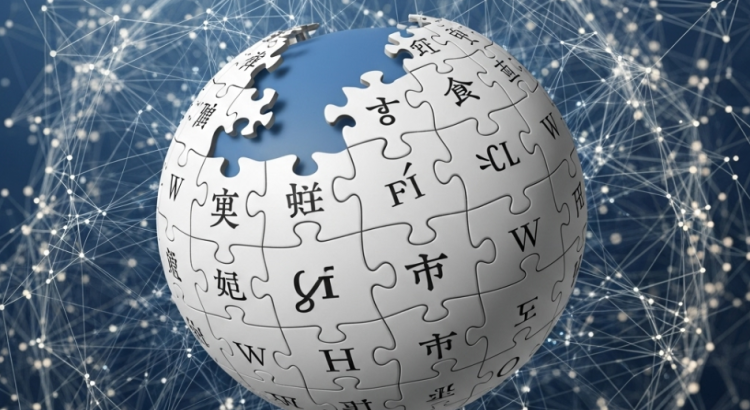
A British high court judge has cleared the way for Wikipedia’s parent organization to legally challenge the country’s sweeping Online Safety Act, should the platform be subjected to its most rigorous requirements.
The decision, handed down by Mr. Justice Johnson, comes as regulators prepare to classify major internet services under the new law, which aims to curb the spread of harmful content like misinformation, hate speech and child exploitation material. For Wikipedia, operated by the nonprofit Wikimedia Foundation, such a designation could force operational changes that limit its reach in Britain, potentially affecting millions of users who rely on the crowdsourced encyclopedia for knowledge.
The Online Safety Act, passed in 2023 and now being phased in, categorizes user-generated content platforms into tiers based on size and features. Category 1 services — expected to include giants like Meta’s Facebook, Elon Musk’s X (formerly Twitter) and Instagram — face the heaviest burdens. These include mandatory age verification, enhanced content moderation algorithms, and detailed reporting to the communications watchdog Ofcom to prevent illegal or harmful material from proliferating.
Wikimedia argues that its model sets it apart from profit-driven social networks. Unlike platforms that push algorithmically recommended content to keep users engaged, Wikipedia primarily serves as a reference tool where visitors actively search for specific articles. “Our users come to us for information they seek, not feeds designed to hook them,” a foundation representative said in court filings. The site, sustained by donations and volunteer editors, lacks the resources to overhaul its systems for compliance, which could entail hiring vast moderation teams or implementing invasive user checks.
Foundation officials have warned that to evade Category 1 status — defined partly by user scale and recommendation features — they might need to throttle access, reducing U.K. traffic by roughly 75 percent. This drastic step highlights a growing debate in tech policy: How do blanket regulations apply to atypical platforms that prioritize public good over engagement metrics?
In his judgment, Justice Johnson dismissed several of Wikimedia’s preemptive claims but emphasized Wikipedia’s “significant value for freedom of speech and expression.” He ruled that any imposition of Category 1 duties must be proportionate and not unduly restrictive, lest it violate human rights protections. If Ofcom, which is set to finalize classifications later this summer, deems Wikipedia high-risk, the foundation could mount a fresh challenge. Moreover, the judge urged Technology Secretary Peter Kyle to weigh exemptions or regulatory tweaks to avoid crippling the site.
“This isn’t a blank check for regulators,” said Phil Bradley-Schmieg, lead counsel for Wikimedia. “The court has put the onus on the government to protect platforms like ours, which are safe by design and vital for global knowledge-sharing.” He pointed to the potential harm to volunteer contributors, whose rights to free expression could be chilled by overly burdensome rules.
Government lawyers, led by Cecilia Ivimy KC, defended the act’s scope, noting that ministers had explicitly considered — and rejected — carving out exemptions for Wikipedia during consultations. “The framework is rational and necessary to foster a safer digital ecosystem,” a government spokesperson stated after the ruling. “We’re committed to implementation that balances protection with innovation.”
The case arrives amid broader scrutiny of the Online Safety Act’s rollout. Critics, including free speech advocates and tech firms, warn it could stifle innovation and lead to over-censorship. X, for instance, has labeled the law a potential infringement on expression, while smaller platforms fear disproportionate compliance costs. Proponents counter that the act addresses long-standing failures by Big Tech to self-regulate, especially in protecting vulnerable users like children from addictive “dopamine loops” in algorithmic feeds.
For Wikipedia, the stakes extend beyond Britain. As one of the internet’s last bastions of collaborative, ad-free knowledge, any regulatory precedent here could influence global policies. Tech analysts suggest this ruling might encourage other nonprofits, such as open-source repositories or educational sites, to push back against one-size-fits-all laws.
Ofcom’s upcoming decisions will be pivotal. If Wikipedia avoids the top tier, it could operate largely as is; otherwise, the foundation’s hinted-at access restrictions might test public tolerance for safety measures that inadvertently dim the web’s informational lights. As the digital landscape evolves, cases like this reveal the challenges of regulating a medium that defies easy categorization.